I saw another video about the autistic experience, this time about feeling like an adult as a kid and a kid as an adult. A thing I’ve written about before (and I’d link to it if these posts had any kind of distinct title to help me find it). And like…is any part of my life original? Being isolated tends to make you feel so different from others that you can’t possibly relate, and maybe it feels good to be so unique. Whatever. I really need some kind of outdoor hobby or activity. Before I moved to my current home, I was going to go to more shows, get into live music. But none of that is up here.
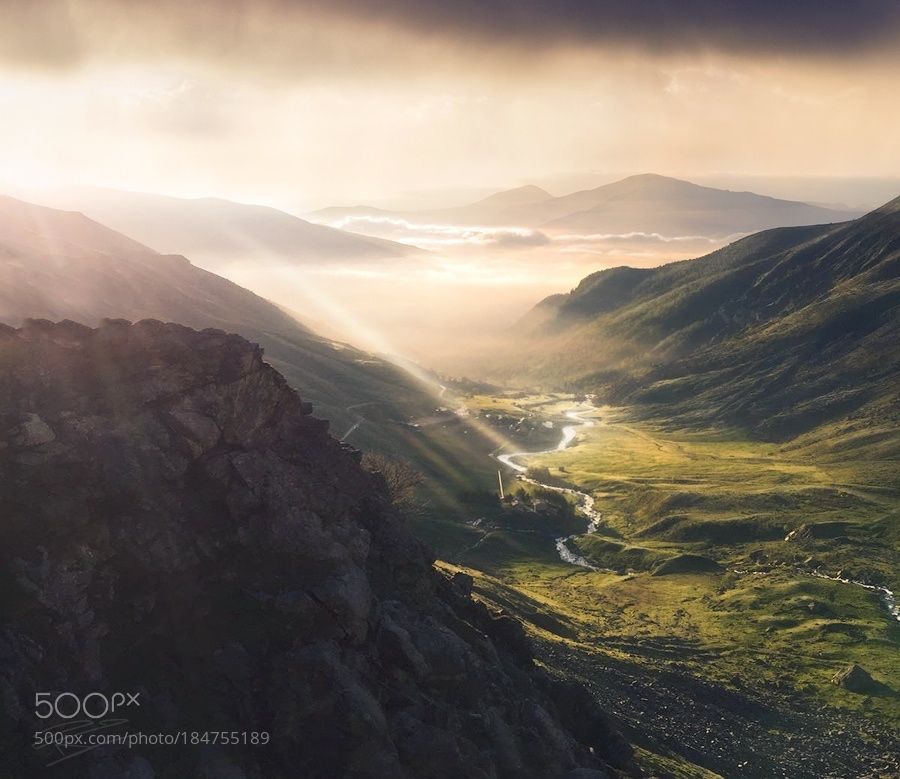
This week, I want to talk about humanity’s place in nature. I’ve been thinking more this week about what it means to acknowledge that humans are animals and reframe our society around that idea. So much of what we do is based on our presumed special place in the world, that we’re a higher kind of being separate from nature; nature will always go back to its natural order, and we can do whatever we want with no restrictions because (most often in the West today) “God made this world for us.” Like, imagine how different things would be if we decided that things couldn’t be called disposable unless they were biodegradable. Calling a plastic cup disposable is just saying that you’re not planning to keep it forever; plastic is barely recyclable, if at all, let alone disposable.
Speaking of pollution, let’s look at our own place in the history of the world. The Earth is currently in an ice age. Don’t believe me? There’s (melting) ice on the poles. We’re in an interglacial period, which is why there aren’t glaciers on the continents; if nothing else significant had happened to the climate, then we could expect glaciers to advance within the next few thousand years. Throughout Earth history, the climate of this planet has shifted dramatically between extremes. There have been up to two instances of a fully ice-covered snowball Earth, and several periods where things were significantly hotter and more volatile. Right now, though, we’re in an interglacial period of an ice age that oil and coal companies are dead set on ending prematurely. Which is really bad for us, since our entire history as a species has occurred during this ice age. Our lineage, of which we are the last surviving members, has only been on this rock for a few million years; our particular branch is even more recent, and our own expansion and spread around the globe is just a few tens of thousands of years behind us. We’re an ice age species, some of whose members are trying to bring an end to the ice age and put us into a world we may not be able to adapt to; further, the same interests that are pushing this change in climate are opposed to policies and actions we could take to simply adapt, let alone reverse course.
How could things be different? What would it mean for us to acknowledge our place in nature and live alongside other animals, rather than “separate” from them? What should we start doing differently? First, there’s the obvious stuff, like changing farming practices to focus on the health of the soil and the nutritiousness of the produce. For most of our history with agriculture, people farmed different kinds of plants in groups and rotated plots. It’s a simple and common sense strategy that mimics how plants grow in nature, in a jumbled group where they each thrive as much as possible in concert with each other. This leads to better soil, in which future plants grow best and can produce more nutritionally-packed fruits, which animals like us prefer eating. We should also embrace seasonality, rather than treating food as a commodity that can and should be available all the time. I mean, we already market some foods as seasonal delights, right? On the animal side of things, we really need to change how we raise livestock. I’m not suggesting all of humanity turn vegan, though a reduction in the amount of meat, dairy, and fish we eat may become necessary, and should really be voluntary. That would lead to an increase in overall health and nutrition, since preferably we would also facilitate eating more fruits and vegetables that provide a wider variety of nutrients. Whether or not that happens, we should end all the cruel practices we have for raising animals in filth and isolation, like CAFOs. We don’t have to raise animals that way. We also need to implement programs to reduce food waste, and rethink the vast majority of processed foods. Food is a special, wonderful thing we get from other living things, and we should treat it with respect.
Then there’s changes we could make to urban planning. At the moment, we treat cities as the home of cars, whose job it is to shuttle humans between company buildings and distant residential areas. Obviously, this isn’t great, both for the rest of nature and for us humans. The ideal way to build cities for people is actually pretty obvious, and is backed by studies. We like living in mixed-use areas, where you can casually walk to the store, to restaurants, to shops and venues, and run into people you know along the way. We like as little traffic noise as possible and seeing trees, grass, and animals scurrying about. These things are also good for the rest of nature. Fewer cars means less pollution and roadkill, more greenspace means more habitat and biodiversity. There’s generally no reason not to do it, besides auto industry profits. We could have more public transit, more mixed-use zoning, more parks and things. We could either fully remove highways going through cities or build tunnels for them, so that we could have parks or new neighborhoods above them. Green, blue, and blue-green roofs are great for air quality, save buildings money on energy, look real pretty, clean up our water, and provide habitat for birds and bugs and whatnot. Wildlife bridges over the interstate would greatly reduce both roadkill and genetic isolation of populations and increase overall biodiversity; plus, I think people would like to sit on them and watch herds of deer and bison run across to get to the watering hole, knowing that they aren’t instead going through their yards. And as we pursue all of these initiatives, we should incentivize the planting of native grasses and flowers in yards and gardens; it’s better for the local environment and helps reduce the overuse of water, pesticide, and fertilizer in people’s homes. Obviously, like all animals, it makes sense we want to have our own space, and humans need plenty of it. That said, there’s no reason we can’t share it with other animals, and allow forests and grasslands to continue through them. It won’t be exactly the same as if a city wasn’t there, but it would be a lot more welcoming than our current terrible, ugly concrete seas, with sizzling hot asphalt and rampant tire dust. Other animals build their nests and dens in a way that ends up being good for the rest of the ecosystem, because they developed the strategy over millions of years in conjunction with the ecosystem; we don’t have the same time luxury, but we do have the brains to figure out the solution.
Next comes another history lesson. Our entire written history as “civilized” humans has occurred on the tail end of an extinction event that claimed the lives of the majority of large mammals, reptiles, and birds across the Earth. If the world has felt empty, and our folklore filled with giants and massive creatures, that’s why. We watched the mammoths disappear, and maybe helped do them in. So, we should also take steps to correct that, by reintroducing species to the places they once lived. Rewilding is going to be a bigger challenge than the other ideas I’ve mentioned so far, for two major reasons. First, while I would welcome the reintroduction of elephants and camels to Nebraska, where they once roamed, I doubt farmers feel the same, which is fair. We need that food. Second, I’m fully in support of giving as much land as possible and desired back to indigenous peoples, and we should probably consult them before we airdrop a bunch of lions to simulate the cave lions that once hunted bison, you know? The exact form and direction of rewilding efforts will be shaped by a lot of different parties, and will likely end up looking different than any current vision. But we have some steps underway now, like various buffalo and bison conservation projects that could eventually lead to large, robust herds running along the plains and over those wildlife bridges we need to build. Maybe, as we take these steps collectively, we’ll see nature respond, like cougars expanding their range across the US as one of the few large predators we have left.
And then there’s changes we can make to how we treat ourselves. We’re animals, but as a society, we conceive of ourselves as a higher class of being while simultaneously treating most of our own like machines, at best. Reframing our own understanding of our species as one of many also means rethinking our economic, social, and political policies around the lives that humans should and want to have. Instead of basing labor laws on what makes businesses more money, we could base them on what provides the best quality of life for humans. Imagine if we had properly enforced laws that prevented your boss from exploiting you and gave you more time at home, to spend on your hobbies, with your family, and taking care of yourself? And that you only had one boss, because you only work one job? It was only a few decades, a century at most, ago when we thought the Jetsons future of working two hours a week while being more productive and prosperous was inevitable. What’s crazy is that we’re actually still in a position to make that a reality. I mean, I can’t guarantee exactly two hours a week, but you get the point. Four-day work weeks are becoming more common and popular, and they’re overall better. We could keep that trend up. We could also expand the number of co-ops and other alternative business models that don’t revolve around a single rich and powerful person or cabal at the top working for stockholders. That would help to promote the idea that we don’t have to have constant growth, and can instead invest in ourselves. A zero-growth society would be so much more sustainable and beneficial for all of us. The tree is fully grown, so now we should pick the fruits, right? Of course, there are so many other things to go along with this economic and social shift, like rethinking industry around reducing environmental damage and switching to renewable and sustainable alternatives as much as possible. What I’m discussing here is specifically about how we interact with other humans, from a systemic level. This is also where I would classify the previous mention of giving indigenous people their land back. It’s just the right thing to do, you know? Give them their land and respect their sovereignty over it.
As a species, there is so much that makes us different than other animals, but not as much as we tend to think. We have just enough to free us from the typical restraints nature has on other animals, and it’s important that we balance our desire to have comfort and safety from the elements with our position in the rest of the global ecosystem. I’m far from saying burn everything down and start over, but I also don’t think we have to trade the health of the planet and our potential survivability as a species for shiny trinkets that distract us from dystopia. We can have both, I think we’d all like both, and the only thing standing in our way is rich people.
Weekly Thoughts 12/19/23
 Life in the Gutters