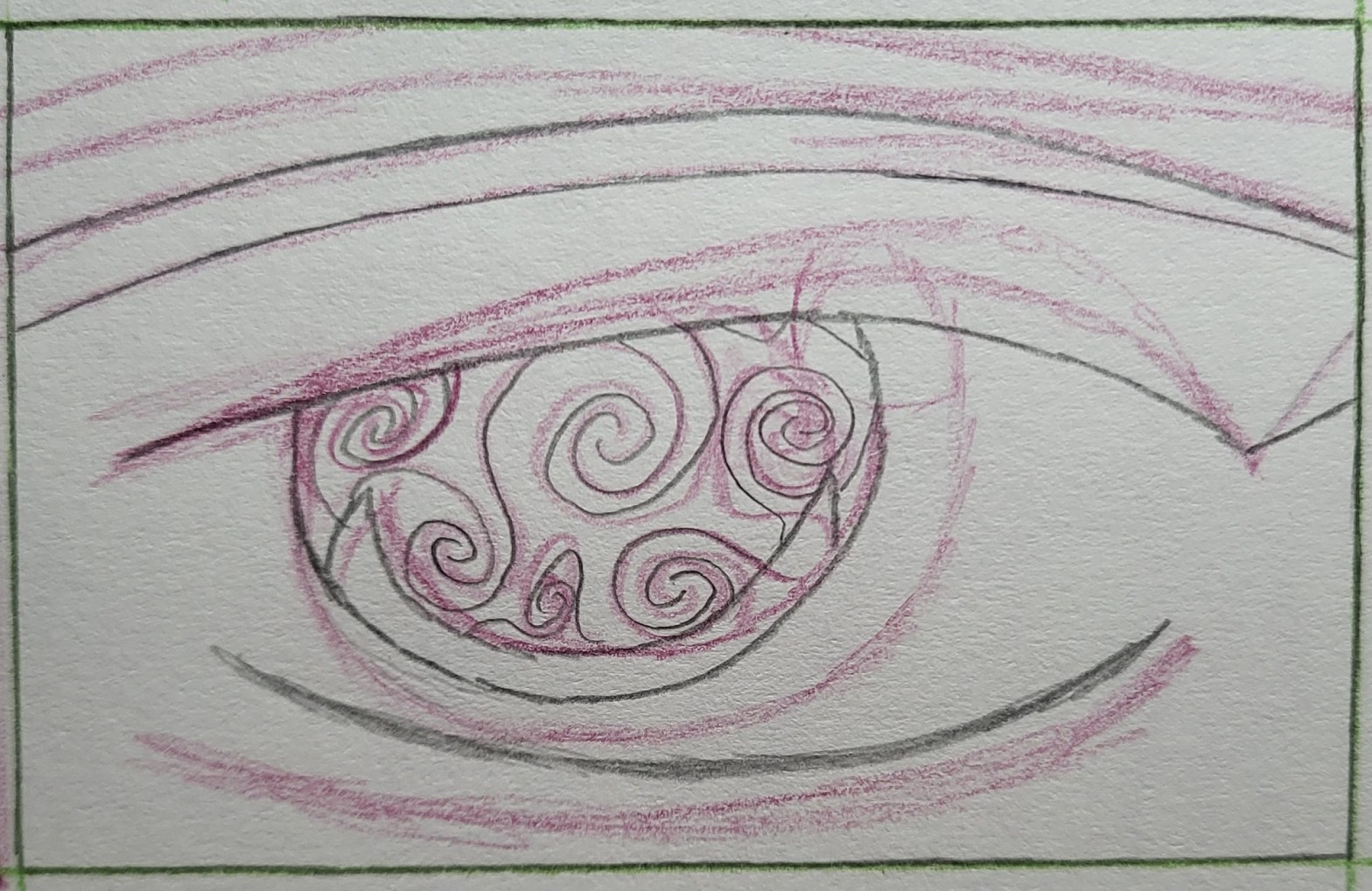
I’ve been thinking lately about a trend in shonen manga. Main characters often start at the top of the game, or are at least very, very good and all their actions are drawn in this incredibly intense way. I get what’s going on. You want to demonstrate all the cool stuff you’ll draw to hook readers, so it works well if the main character is uniquely talented at the beginning. After all, your serialization could be axed at any point. But there’s the obvious drawbacks, right? I just started this baseball story, why is everything as intense as Goku vs. Buu in the first chapter? That’s off-putting for some, and it means there’s less room to grow. You’re either planning on your story being short (which is fine, not everything needs to be long) or you’re ensuring that readers get bored when they realize you’ve done as much as you know how right at the beginning. It seems the road to success, in this model, comes from taking the competence of the character for granted so that you can focus on other things. That gives you room to show some cool stuff while alleviating pressure to do the most immediately, and draws in readers with story and character over virtuosity.
I got started on the fourth chapter of my zine project this week. Like I mentioned last week, I’m thinking about the direction of my art lately. I want to try working with shapes a lot more than I currently do. I’ve seen on a number of occasions that I can do great work with shapes. I keep using stick figure bases primarily because they’re easier to put on a page and build around. At the same time, I’m seeing a lot of the stiffness and I guess plainness I’m working to address come from stick figures. It’s harder for me to judge angles in the final product from lines, and there are a lot of times where I can see that the relationship between different figures is way more important and easier to establish with shapes first. Plus, it’s harder to build stick figures of use or dynamism in panels that only show a portion. I have ideas to try and use some stick figure elements to establish gesture and pose, and then use shapes over that to build figures. I hope it’ll play to my strengths more and give me more tools for character design and construction, especially for action.
I think I would do better to be more cartoony than I have been so far. I tried a thing that was only cartoony and got bored with it, but I think I overcorrected in response. I tried to have a more balanced approach of increasing details in different situations, which I’ve seen work really well in a lot of other comics. But my brain focused on the “balance” between levels of intensity more than the actual story or artistic need. The books I’m taking note from usually draw most things at one level of detail, and save the lower and higher ends for utility or dramatic impact; I’ve been going between three levels, with a focus on each one getting an equal chance to appear. Moving forward, I want to try hewing more to the cartoony side and bringing out more detailed work sparingly and purposefully.
I’m also zeroing in on repetition. I’ve talked about it before, that I notice when I have too many of the same panels planned in a row and scrambling to change it up. As I focus on this, I’m thinking about different types of panels I’ve seen in other books and starting to understand why they’re present. I’ve incorporated a couple here and there, too. The real challenge here is becoming mindful about this in the planning stages. I want to focus on what will be a good looking page as I plot down what the story needs to be. As always, lean more into what specifically I want to draw.
This week, I saw a couple posts on social media that have inspired me as I think about all this. The first was a list of common critiques artist Steve Lieber gives to beginners. The things that I’m seeing about me right now are defaulting to drawing characters dead center and not leaving enough room for lettering. They’re related bits, and things I’ve been thinking about in my own work. I think I draw, or have drawn, more characters centered in panels than I should have for story purposes. It’s just a simple, natural instinct to think things go in the middle, if you aren’t planning as much about where it needs to be. I also have a hard time figuring out how to leave enough space for lettering. You’d think it would be easier for me since I’m writing all my own dialogue, but honestly I have no clear idea how much space words need when I draw. I could fit a lot more words on a page if I got better about that, which would in turn open up opportunities for how I use pages. Of course, part of leaving room is not taking up all the space in the middle. I think I can begin to address these concerns if I get comfortable not always fitting a character’s entire head or face in the panel. I feel awkward just drawing parts of a head or body (maybe because I keep relying on stick figures), but like, it’s a small panel that can’t and shouldn’t always hold everything.
The second one was a list of advice for beginners from Keezy Young. I’m thinking the most right now about finding ways to make things I don’t like fun. They used backgrounds as the example, and that’s me. I’m bad at backgrounds, and they’re hard to do well. Perspective is annoying (ESPECIALLY in individual panels), maintaining high consistency is a pain, and buildings are too square. I’m not sure right now how to make backgrounds fun, but I’ll try some stuff out. I’m hoping that leaning into shapes and purposefully cartoony exaggeration with figure will make it easier to blend characters with a different kind of background. I’ve done as well as I have with backgrounds so far because I build them around figures, so I think they can get better if I do that more. Shapes are funner, after all.
Right now, it’s a lot of food for thought. I have to finish up my current book with a consistent style, before I do a lot of experimentation. That’s why I have my next couple projects, both of which should help me as I plan my martial arts story.
 Life in the Gutters